We spent the whole day today with Klaus Bertelsen, curator and historian at the Aarhus Occupation Museum. A day of walking, touring, laughing, thinking and questioning. And tonight, we have a new friend. I hope and expect to stay in contact with Klaus as he continues his research.
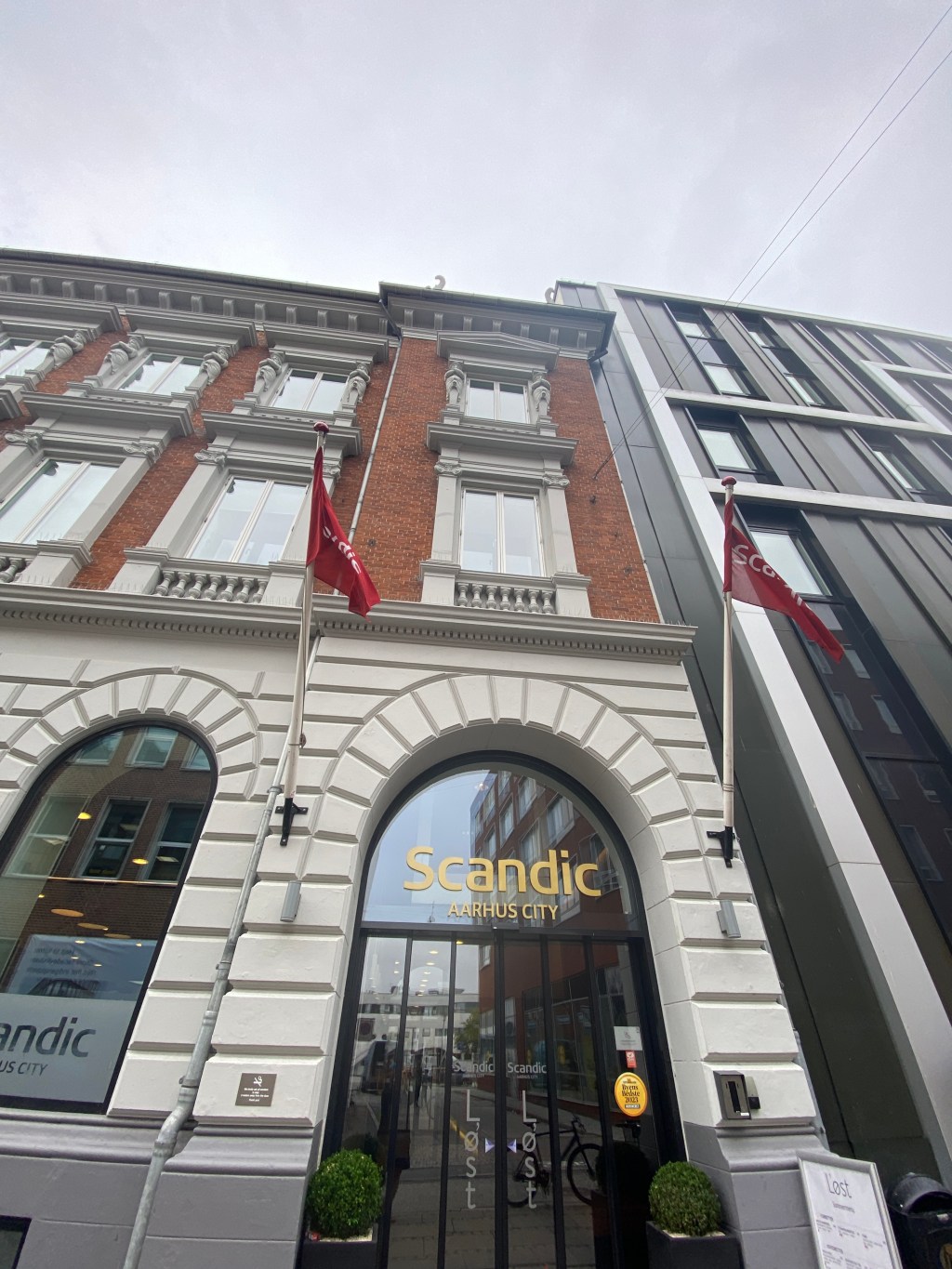
Klaus met us at our hotel to outline a plan for the day – and suggested we start with the Nazi administrative headquarters in Aarhus, since we were already there. That’s right…our hotel was occupied during the Occupation!
Klaus also shared that he’s just begun work on a book about Jews in Aarhus, a subject that has not been well-researched or documented. He’s the guy to do it. He’s been working with the city archivist and others to find the type of primary source material we discussed with Niels in Gilleleje to support the stories he hears. For example, he’s matching cemetery names with property deeds and other records to trace families and because the community was so small and well-assimilated, the work is tedious.
In 1943, 95% of Denmark’s Jews lived near Copenhagen. Aarhus is on the peninsula of Jutland, to the northwest of Zealand, the island where Copenhagen sits. There were about 200 Jews in Jutland and the island of Funen, and Klaus and his colleagues have so far identified 60 in Aarhus, and they’re still counting.
There was not a synagogue, the rabbi was regional and travelled between Aarhus and other towns when needed, and Jews were highly assimilated and hard to identify.
As Klaus walked us around the city sharing stories, we recognized that not only was the journey to Sweden more geographically distant from here – it was also more difficult because the Jewish population was so small and less interconnected. Unlike Copenhagen, there wasn’t an announcement at synagogue prompting an immediate response and emergency coordination.
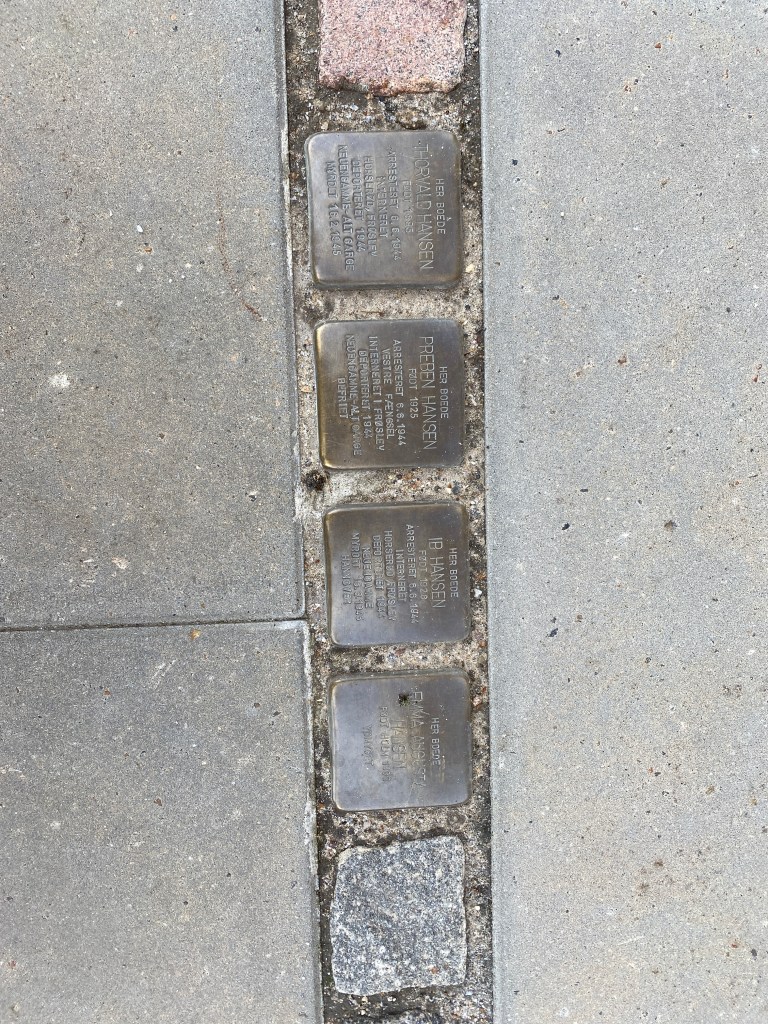
Here are the stories Klaus shared:
The rest of the story
Like the other stories we’ve heard, each of these families depended on others to help them escape and to maintain homes and businesses while they were gone. Some returned to find their properties well-managed, and others lost everything.
Klaus was careful to point out that he didn’t find evidence of anti-semitism as a motivation and believes the poor outcomes were “crimes of opportunity.”
Klaus too is fascinated by upstanders and what motivates them. He spoke of a member of the resistance who, when asked why he participated, said it was “a feeling in his gut.” He had to. We also talked about the Danish culture of social service and support, and the commitment to helping those returning from the war get back on their feet.
Interestingly, in Denmark there is a legal expectation that citizens will assist others in a crisis or emergency. In Sweden, there is no obligation to help. And in the US, a Good Samaritan law protects a person from being sued while trying to help. What does this say about each culture?
Klaus acknowledges that for some, motivations weren’t so pure. We explored the theory Niels shared, that the lead Nazi officer sent from Germany to oversee Denmark – Werner Best – may have set the rescue mission into motion. He told Georg Ferdinand Duckwitz, another German diplomatic official, that roundups were imminent and Duckwitz told a Danish politician who told Rabbi Melchior of the synagogue in Copenhagen. This prompted the Jews to go into hiding and escape.
So, why would a Nazi officer leak information he could have predicted would tip off the Danish Jews? Klaus’ theory, like Niels, is that for Best the Jews were a commodity. He needed to prove himself to higher-ups, and he was in a tough position. Hitler wanted the Jews out of Denmark, but he also wanted to maintain the perception that Denmark was an example of a peaceful occupation and keep Denmark’s food and other resources flowing to Germany.
It was a strategic move, and it worked. The Jews were out, the supply chain was uninterrupted, and Best got the military backup he wanted from Berlin. And this self-serving Nazi just may have triggered the escape of the Danish Jews.
Occupation Museum
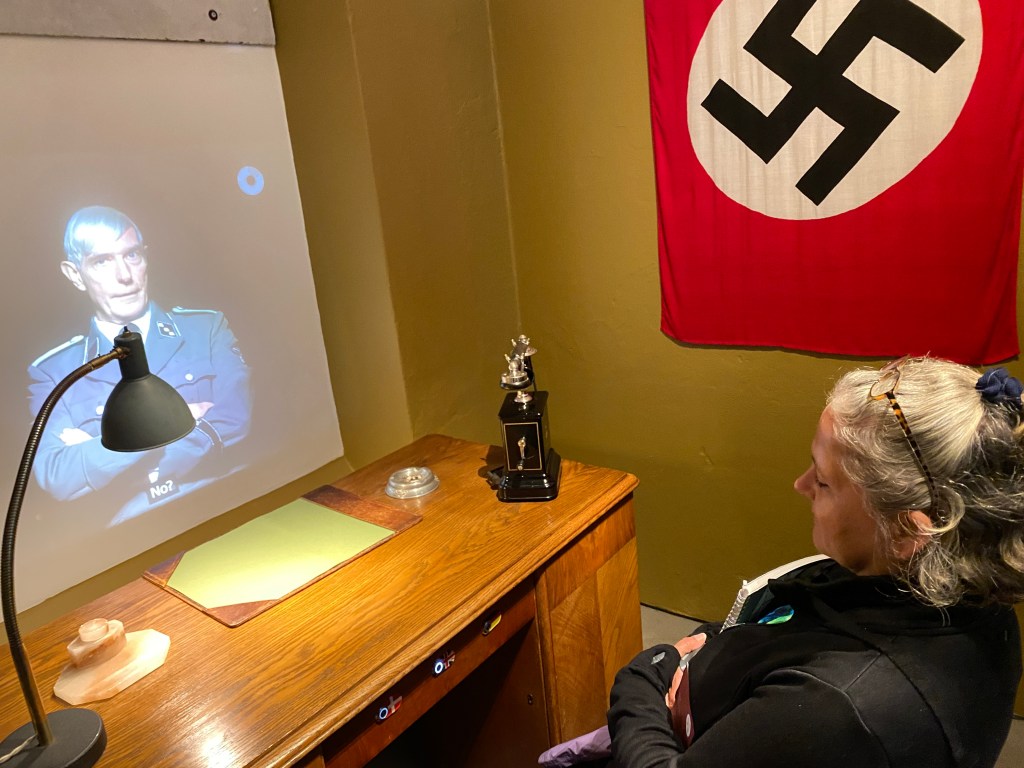
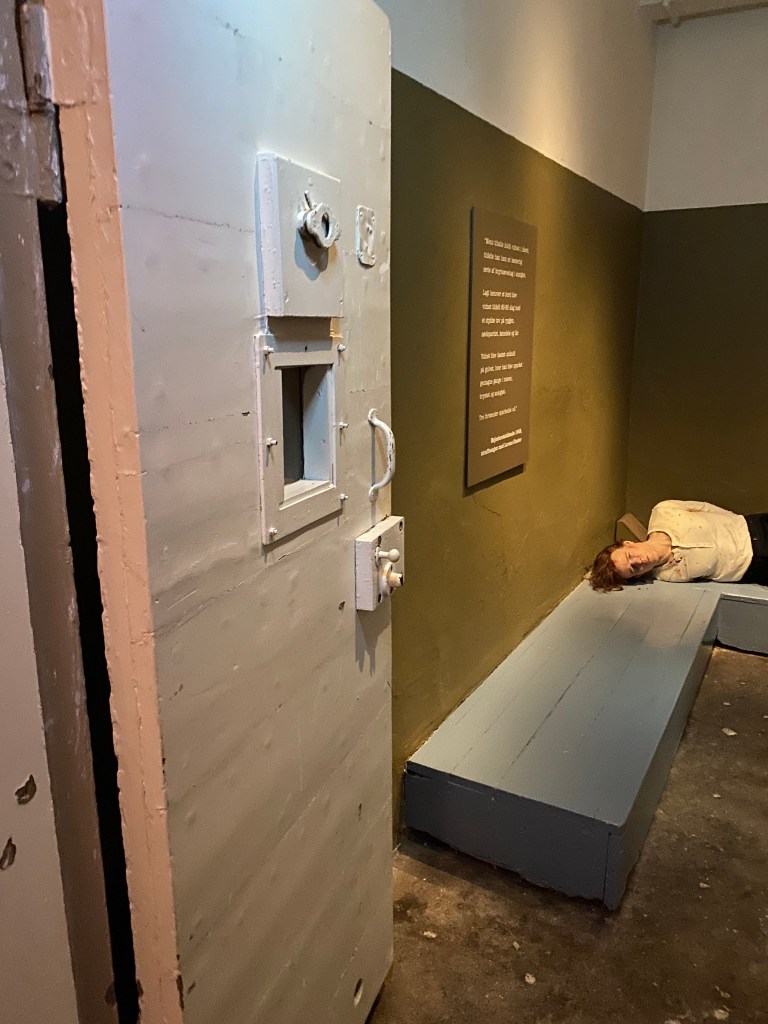
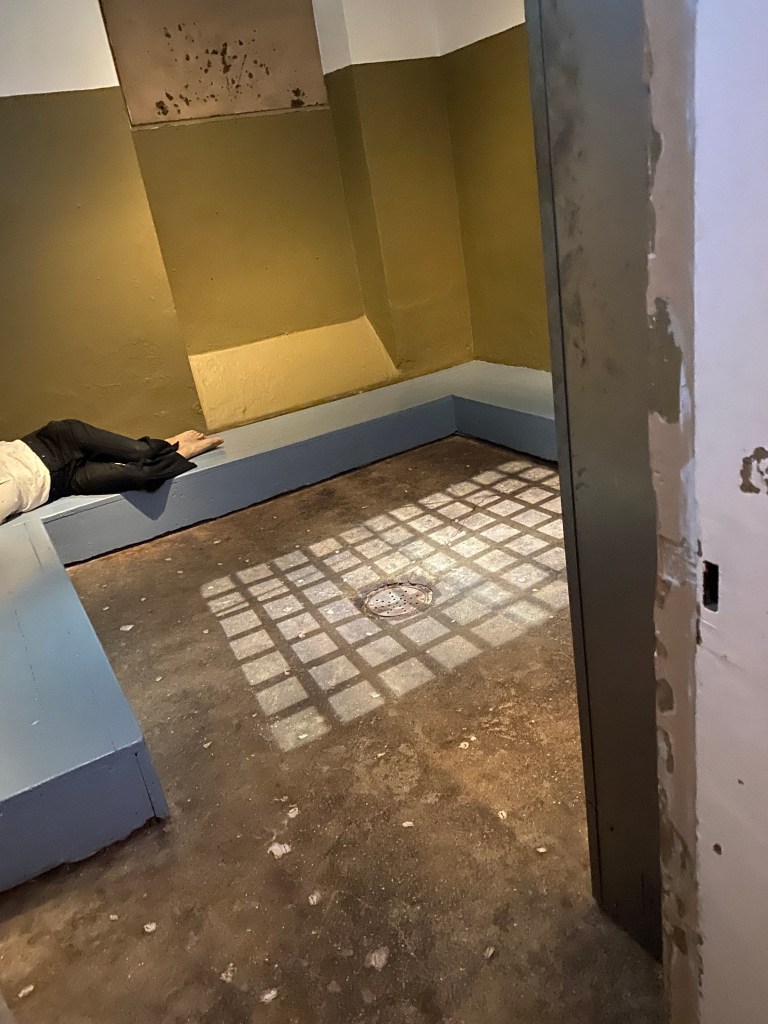
At the museum, Klaus interpreted more stories for us, meticulously researched and documented. The museum is housed in a former police station that served as Gestapo headquarters. Exhibits in authentic interrogation and torture cells were chilling. Others were tragically heartfelt – like a letter from a child to his father imprisoned at Buchenwald, from a collection saved by the family and shared with Klaus by that child, now in his 80s.
Other exhibits explored the very questions we’ve been considering – complexities of motivation. When the law conflicts with ethics and morals, who is a hero and who is a villain? What should be punished and what should be forgiven? Is it reasonable to expect or require that we help one another, even at great personal risk? Or is that judgement a privilege of hindsight?
These are the questions a good interpreter of history grapples with. And we were so fortunate to spend the day with one. We’re looking forward to his book!
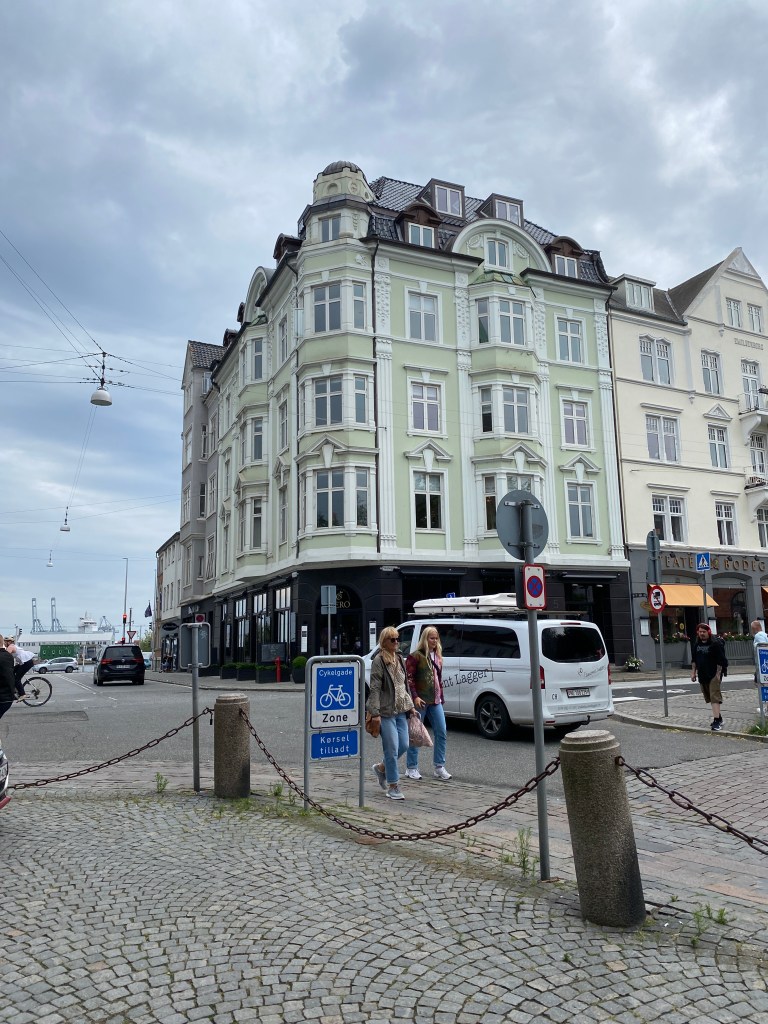
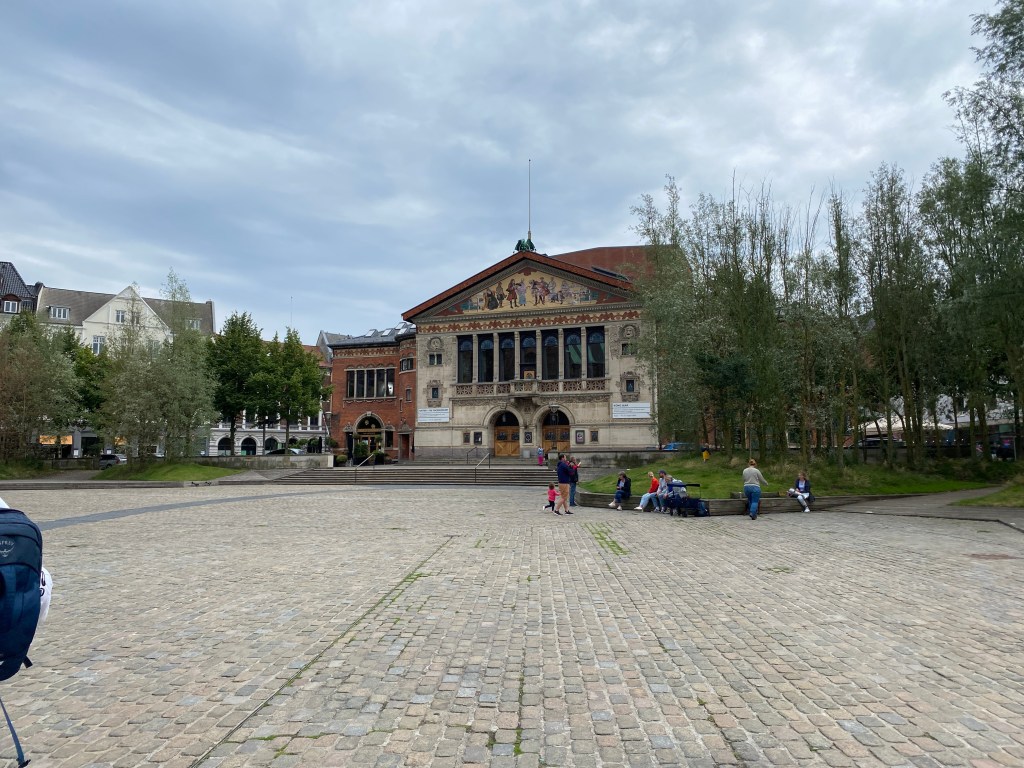
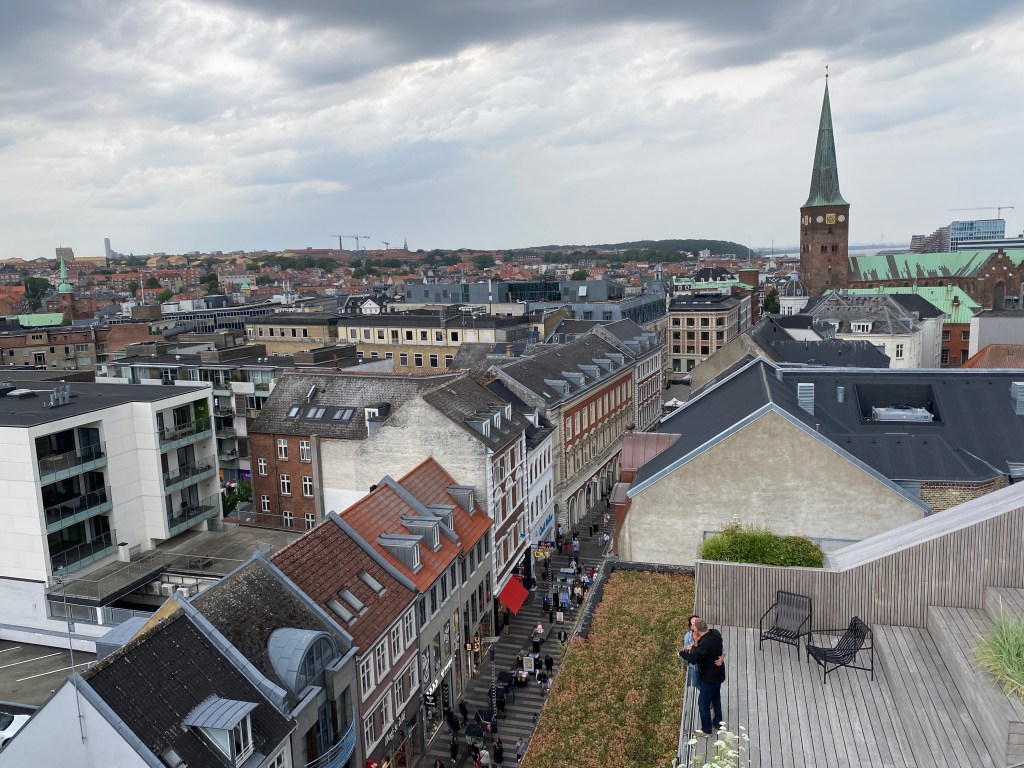
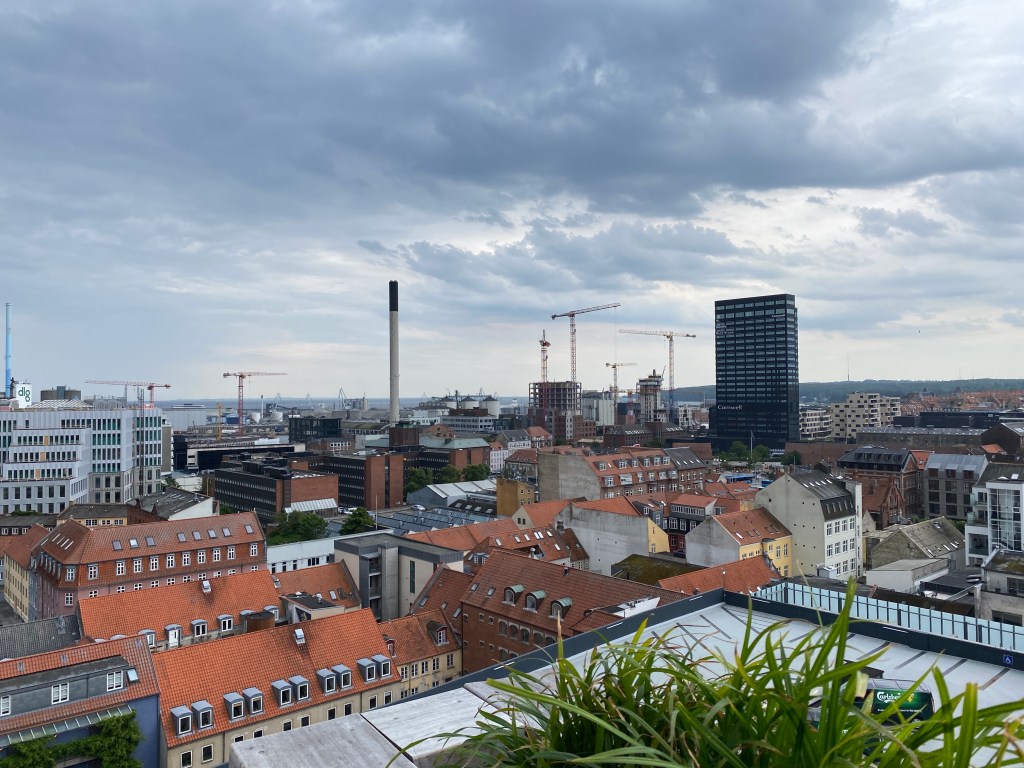
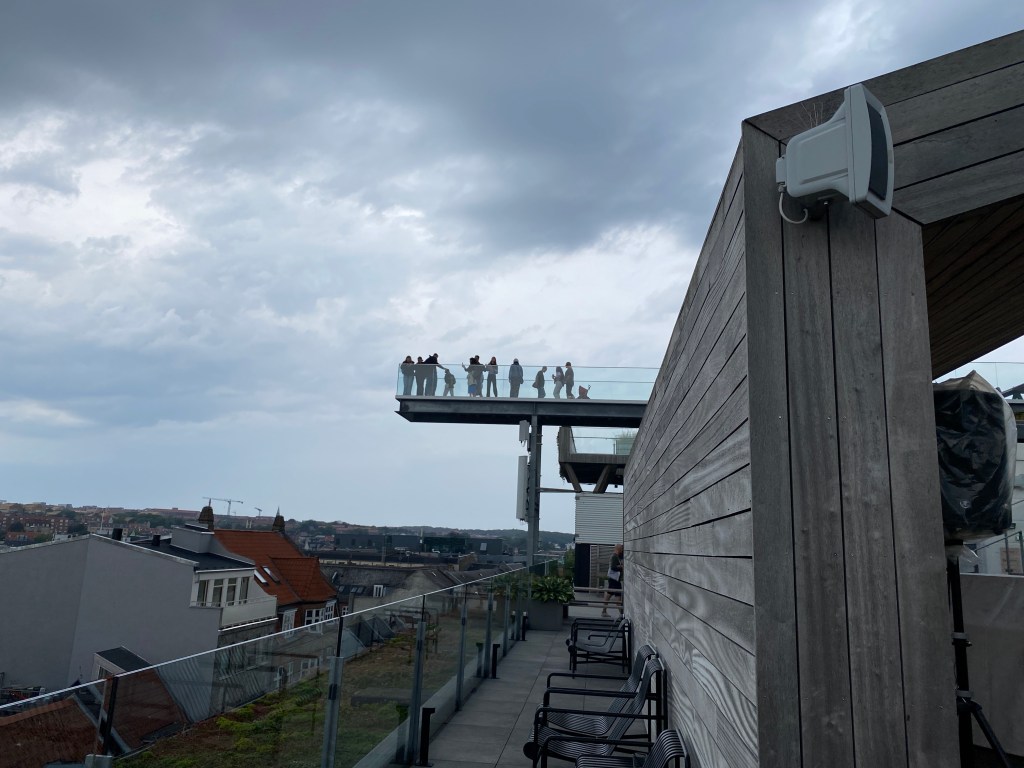
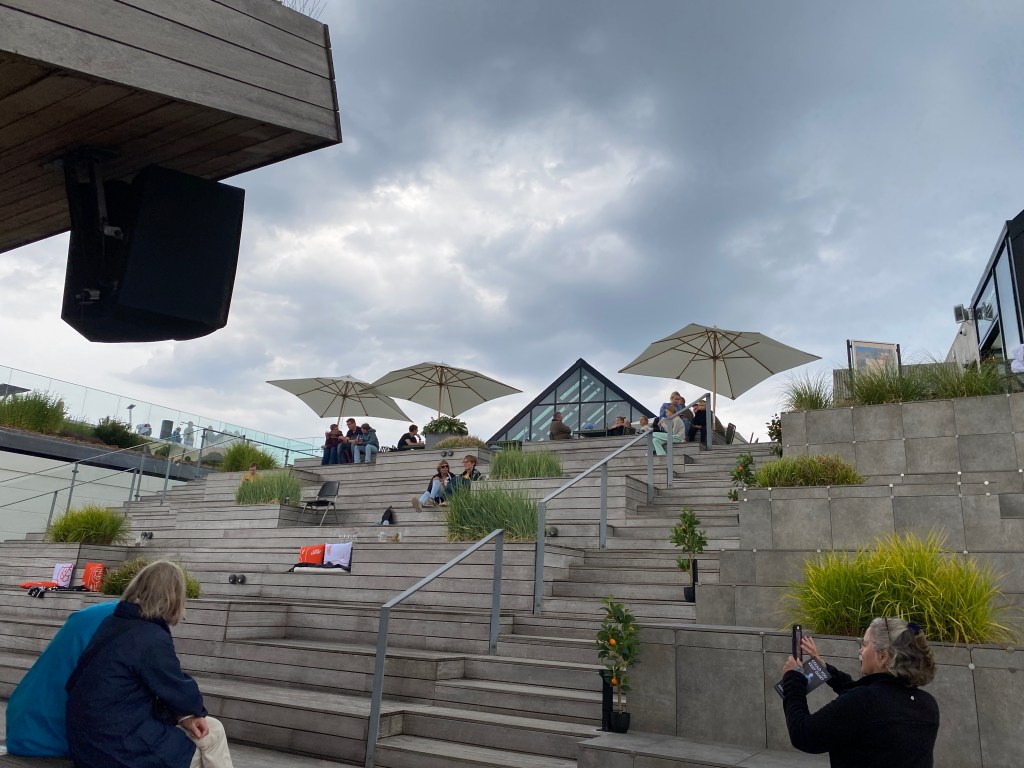
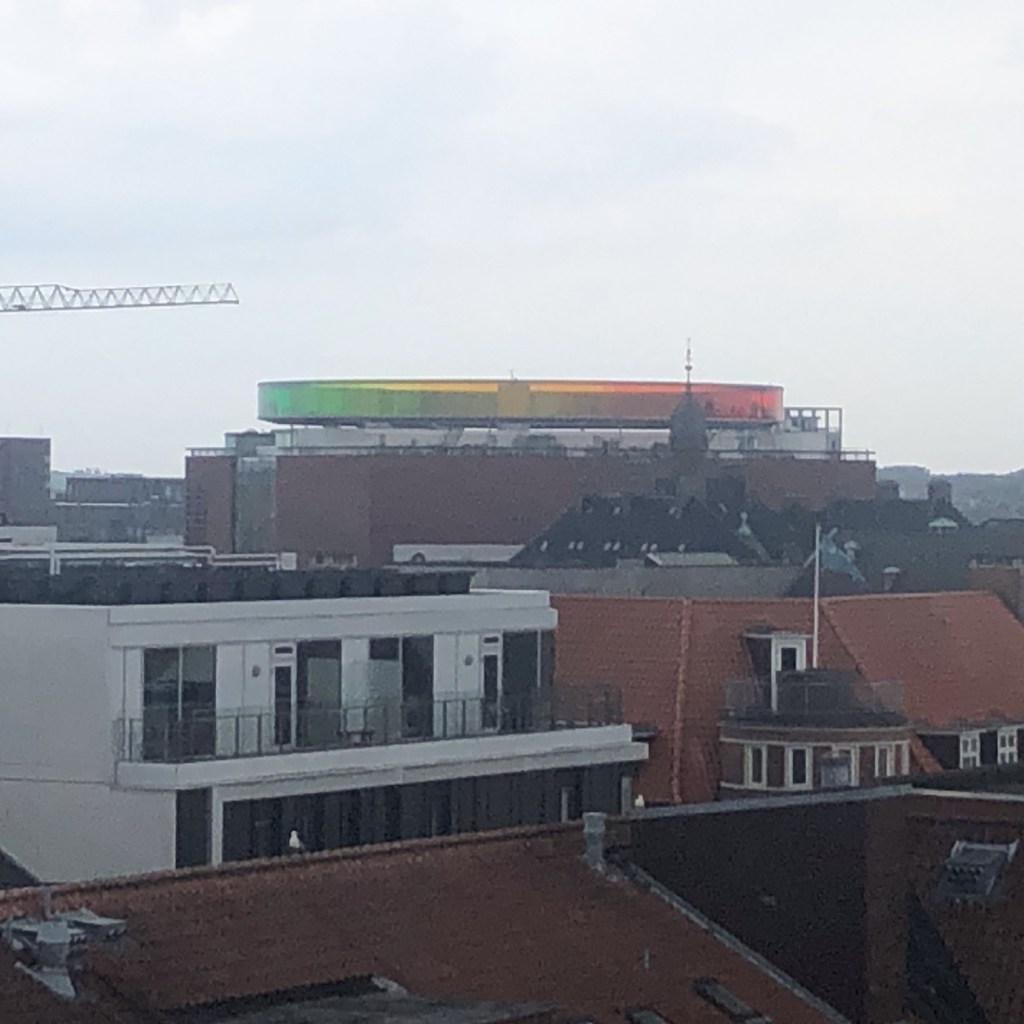
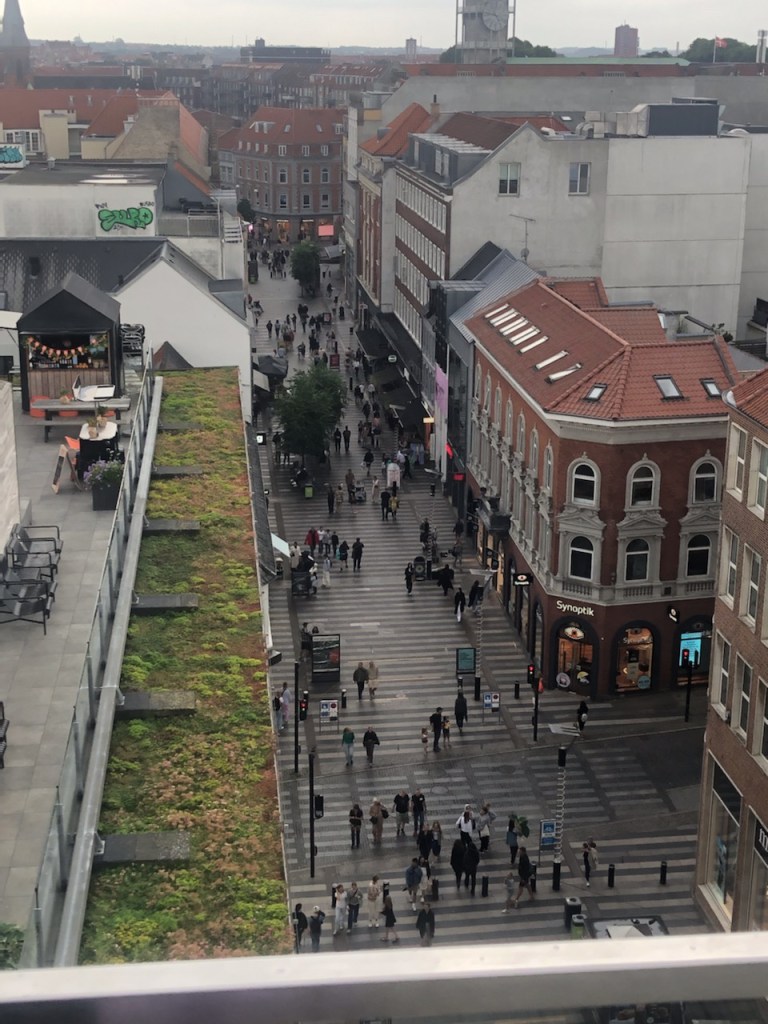
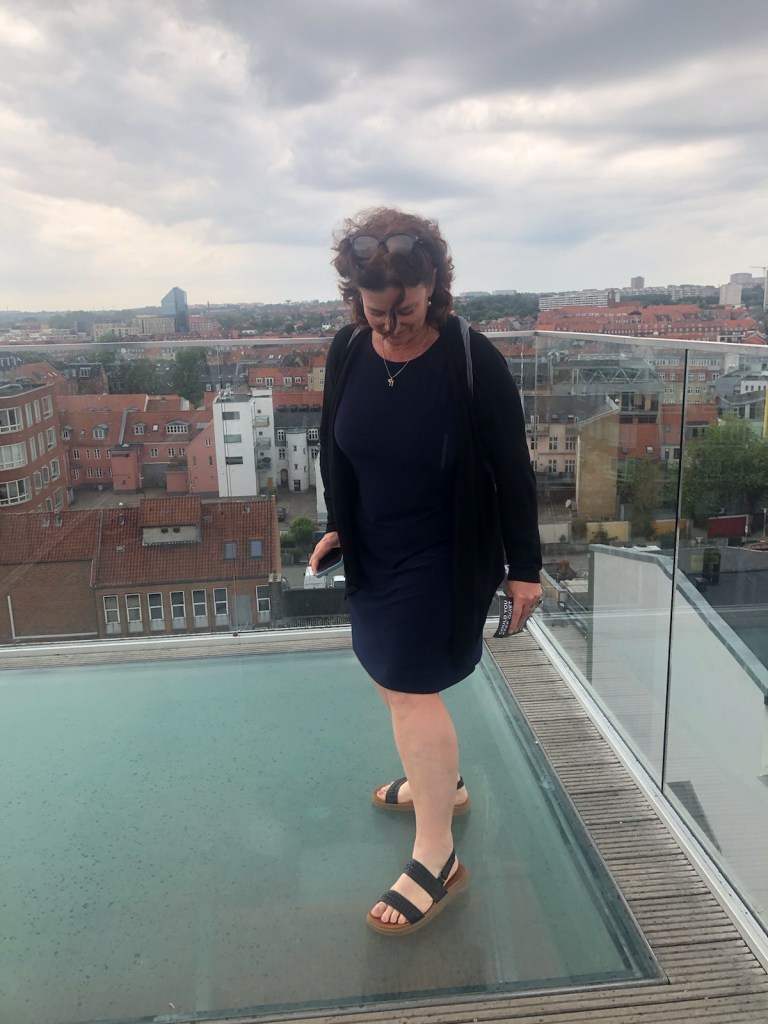
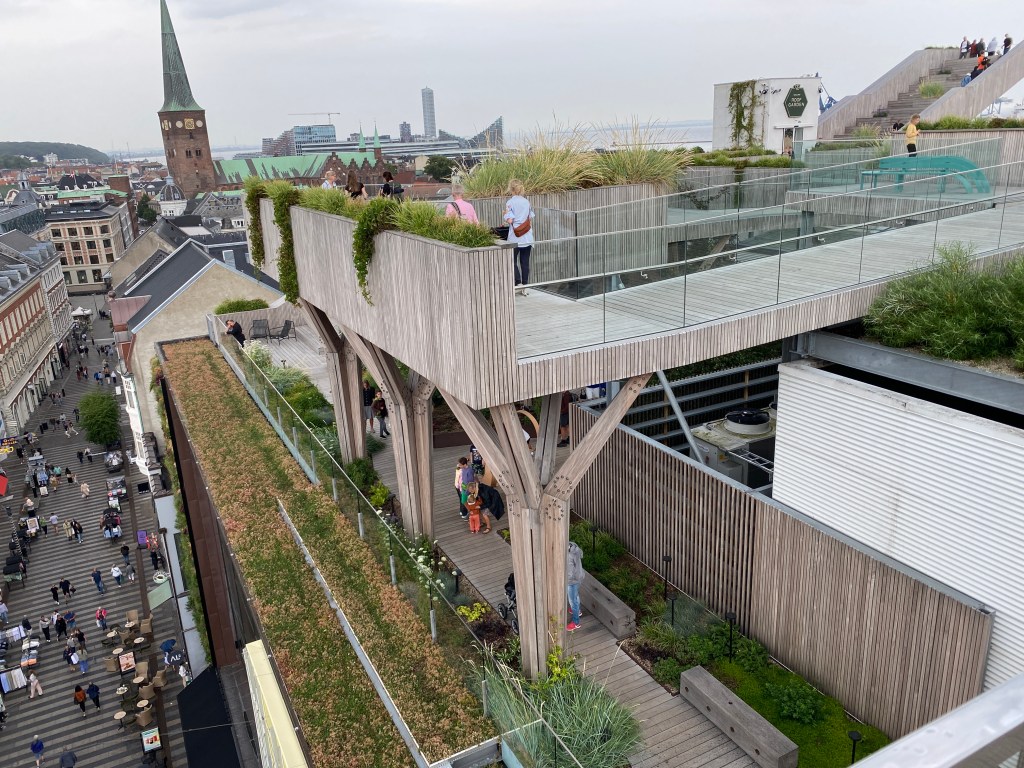
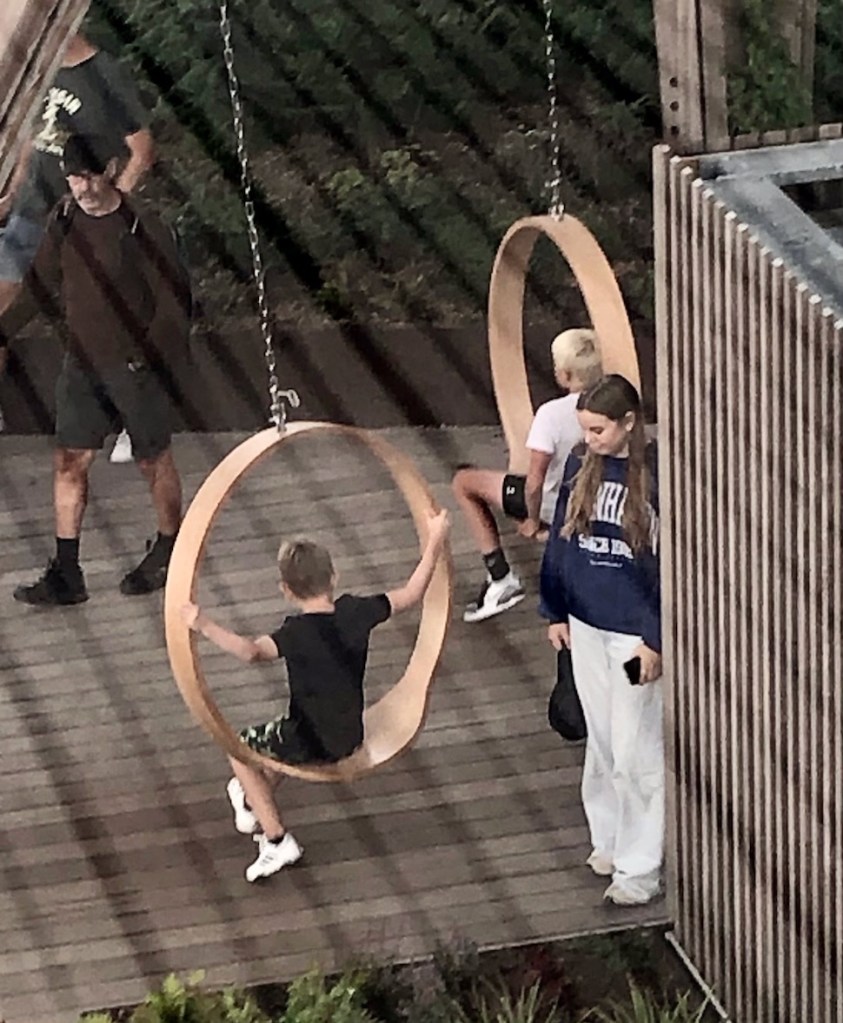
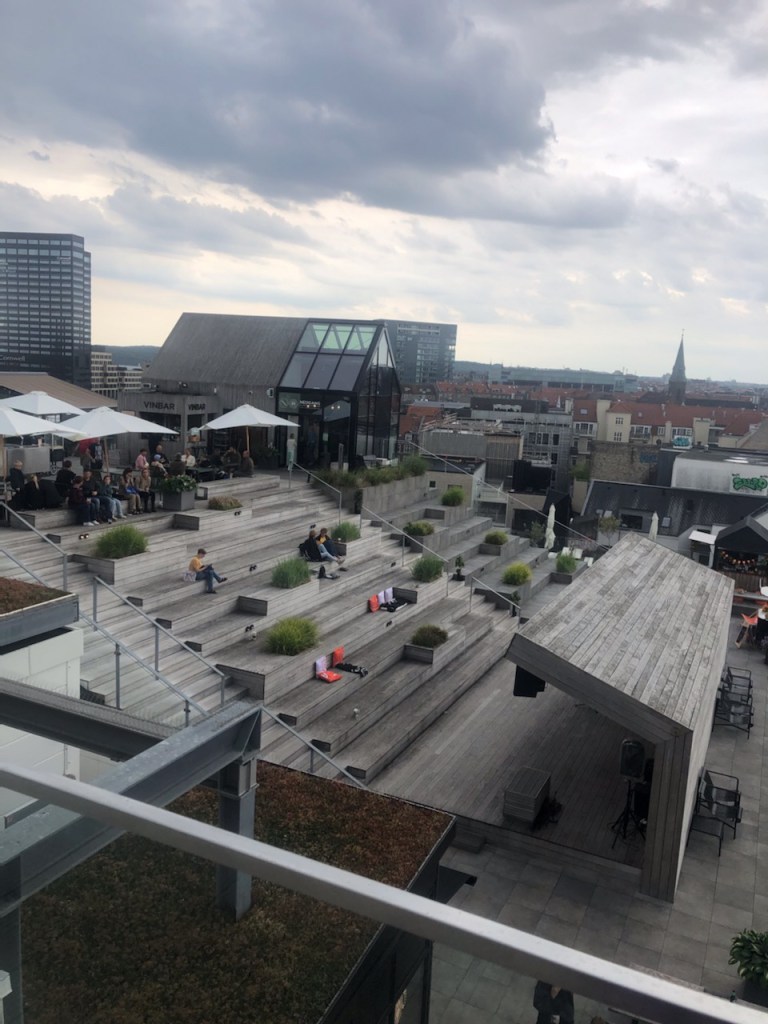
Scenes of the Day



Past Posts
Back to Class
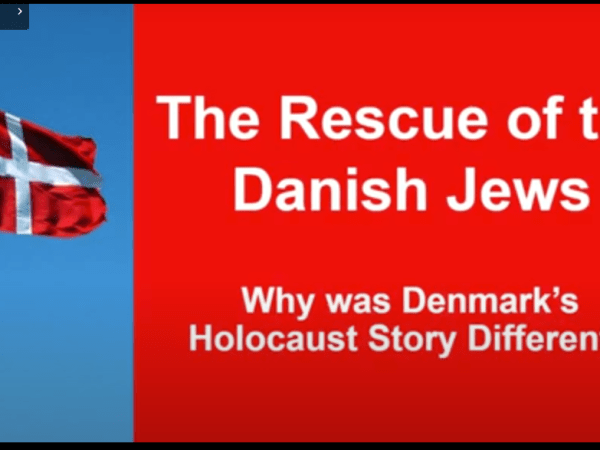
Lauren is back in the classroom – sharing Denmark’s rescue story with her students.
The Mystic Seaport – Preserving the Gerda III while Showcasing Her Amazing Story
Lauren here. This is my first post. Melanie was in charge of the blog while we were traveling together, and I am so thankful to her for all the work she put into it. This blog…
Random Reflections
Some thoughts from the long trip home.
On Course
All roads led here, and it’s where we hoped to go.
“Second to None”
A story very few people knew until recently.
Right Place, Right Time
Being in the right place at the right time led to a perfect, personal story.
We Made it Through the Rain
We pedal faster when we’re cold and wet!
Miles and The Extra Mile
Today we started our 2-day ride from Gilleleje to Aarhus. But first we took one more spin around Gilleleje. We set out to find the rest of the city’s plaques, but we found much more. Yesterday…
It’s Complicated
Collecting stories, memories, objects…and many many layers.
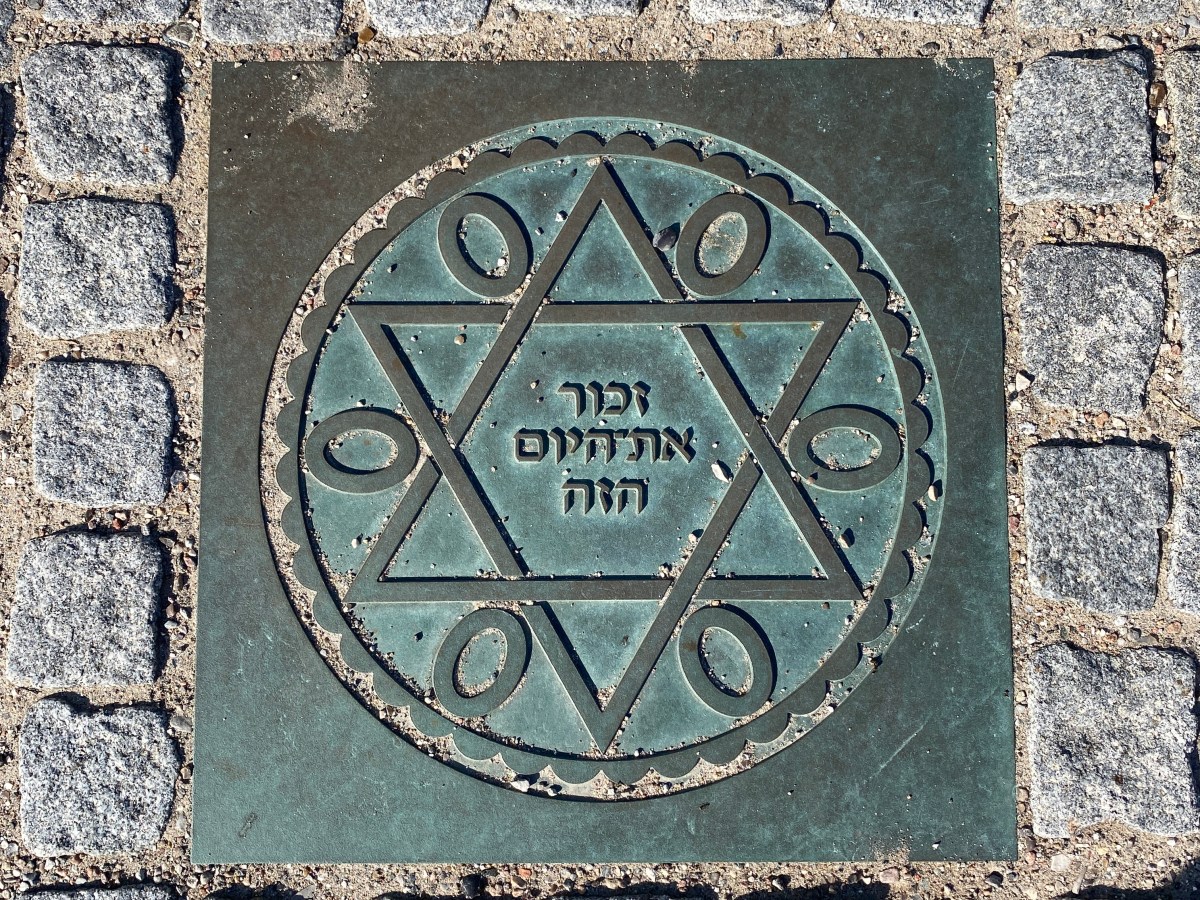
Reaching the Heart
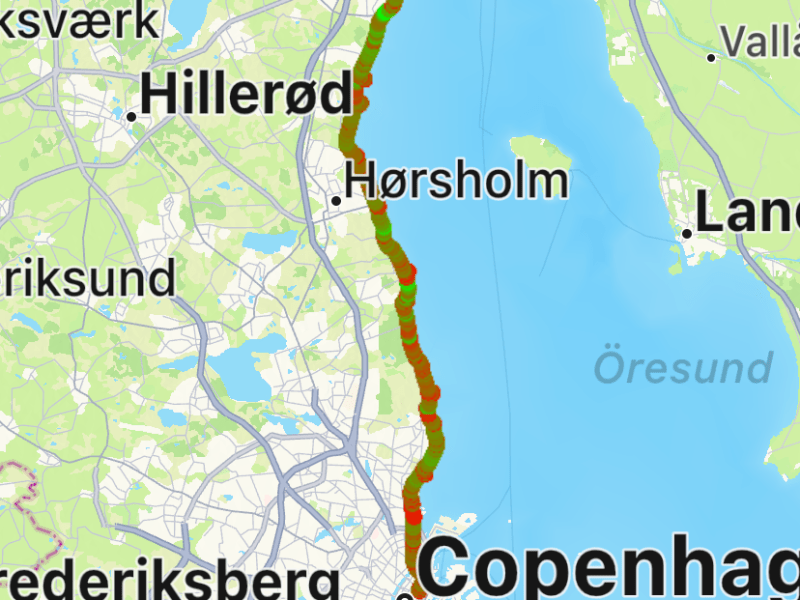
For the last fifty miles, people have told us to go to Gilleje for the story…and now we’re here!
Talking to Strangers
Talk to strangers. The stranger, the better!

Make it Personal
Because stories are what make us care.
Context
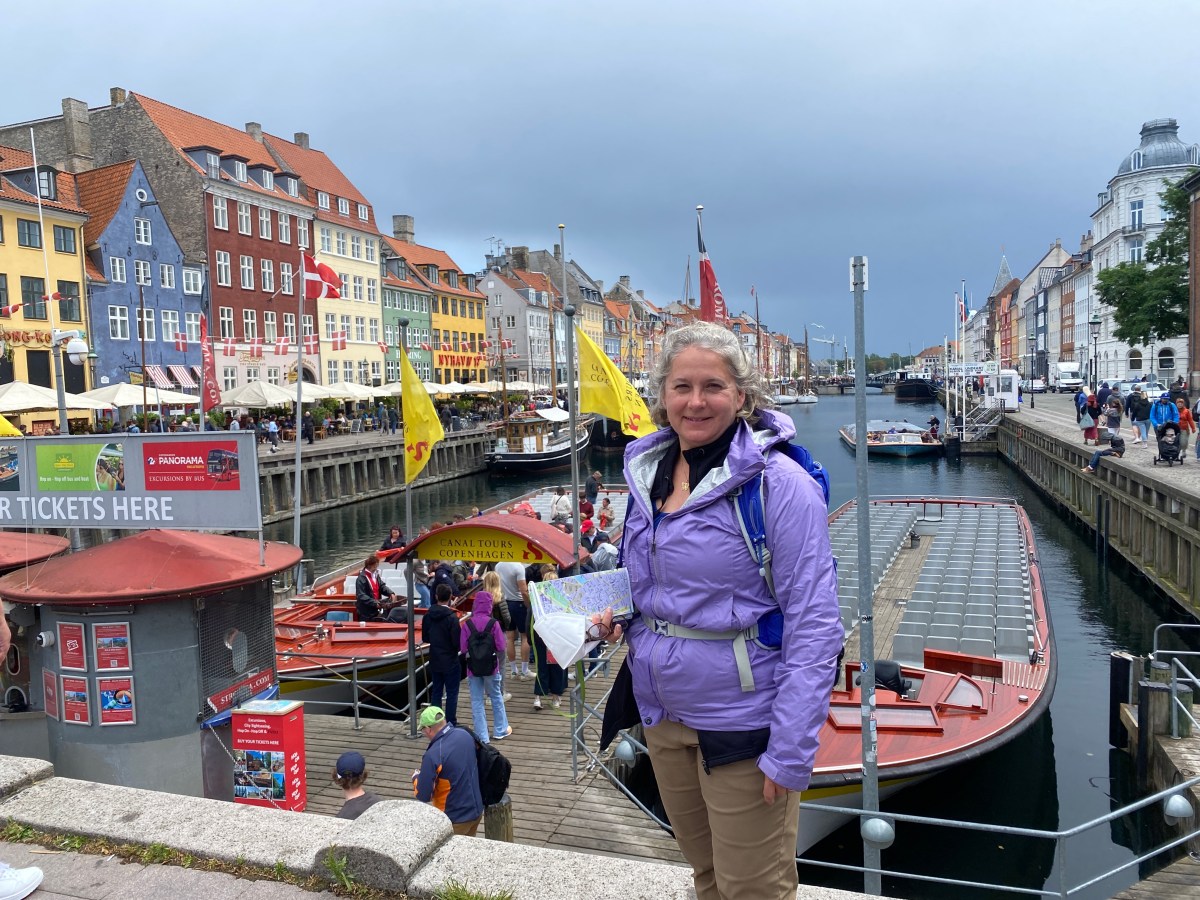
Today was our first real day of study-tourism, and we started with some background. Jewish context We began the day at the Danish Jewish Museum. I’ve been admiring Danish architecture since we got here, and this…
First Impressions
They say you only have one chance to make a first impression, and Copenhagen does not disappoint. It’s beautiful here! Even the SAS plane was gorgeous, flight attendants in crisp uniforms with pillbox hats throughout an…

Worrying, Waiting and Wondering
Things were going too smoothly…
Packed
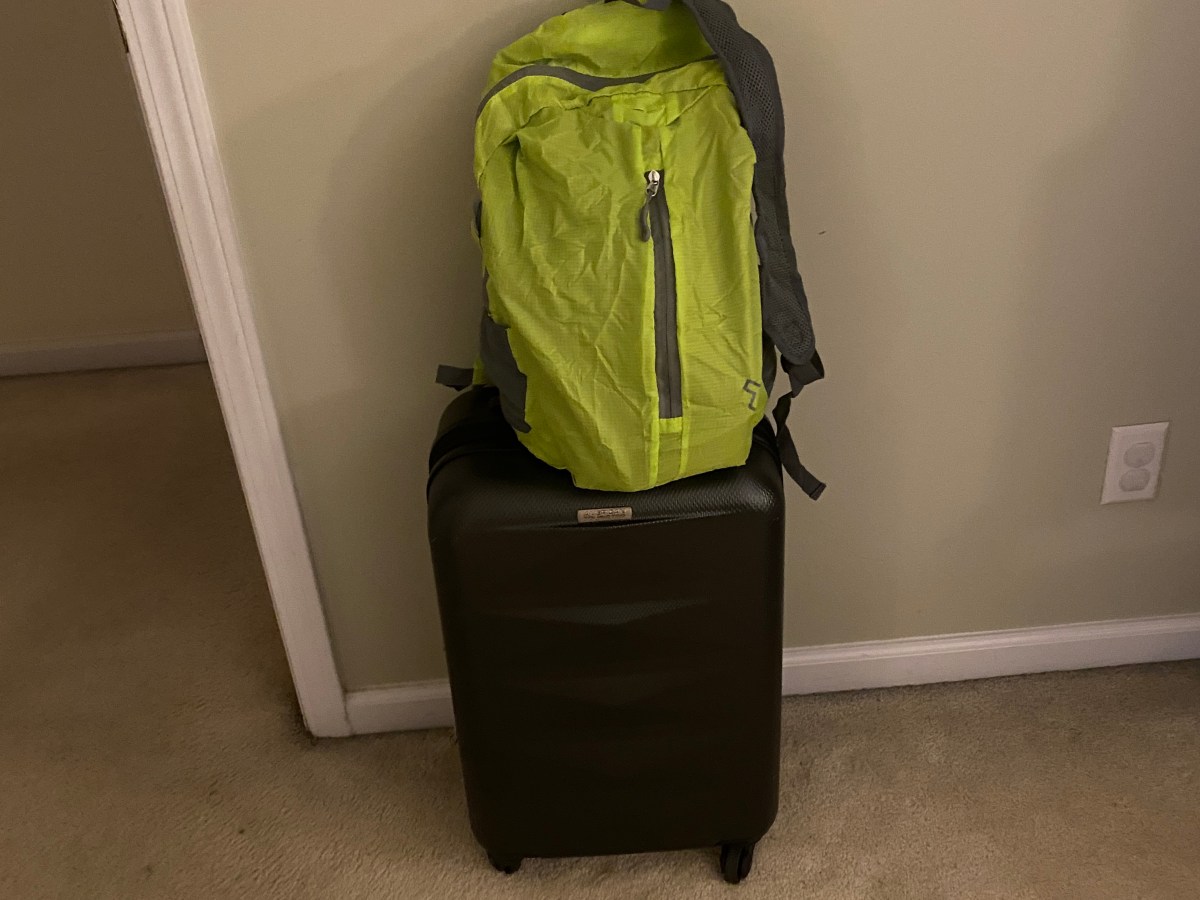
Or, how to bike for two weeks with three pairs of socks.
Better Together
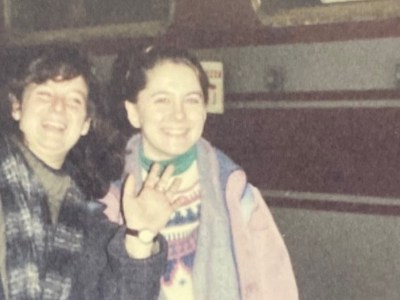
The part of this trip I’m looking forward to the most is traveling with an old friend.
The Big Question
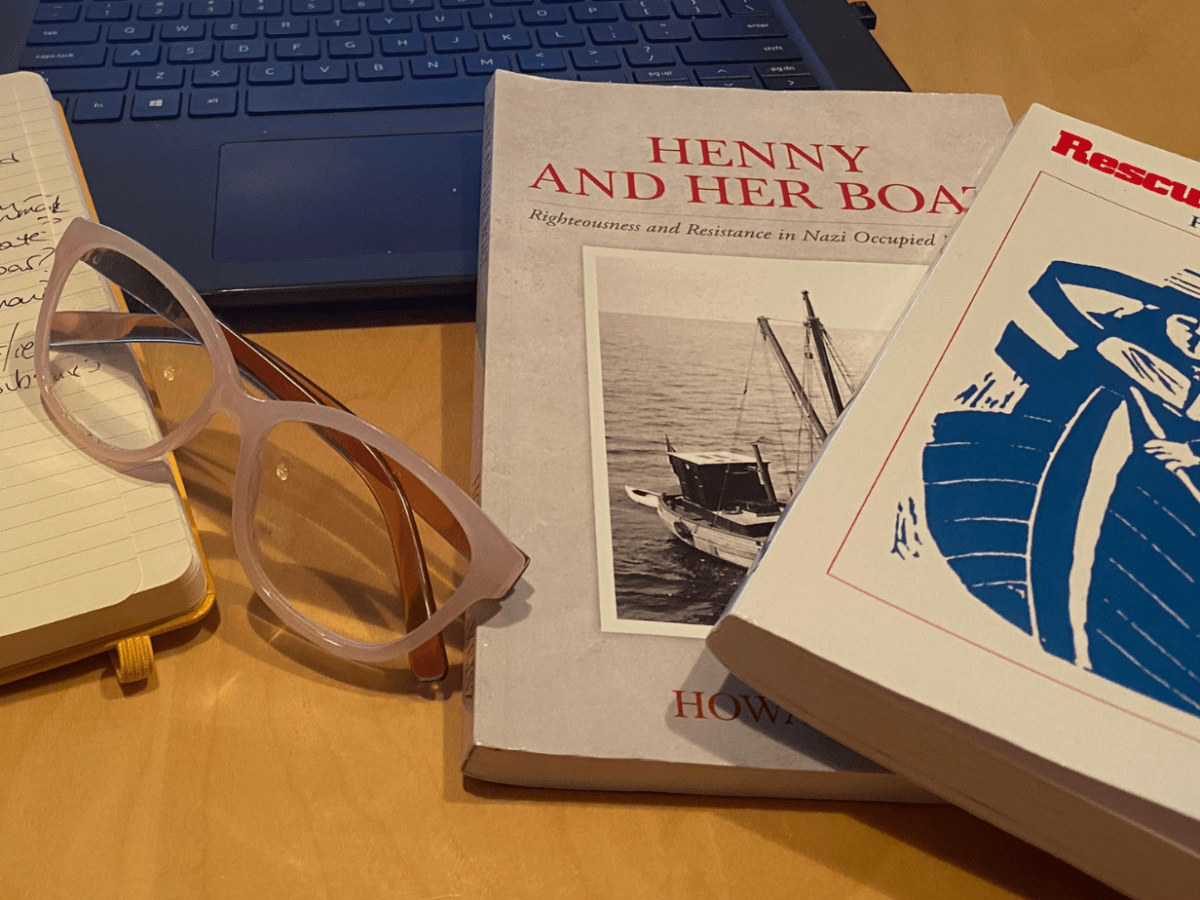
The millions of questions swirling in our brains all support one big question.

Testing Travel Tech
This might be a disaster, but it’s only a test and better to know now!
Training Wheels
I must really want to go to Denmark, because I don’t sweat on purpose, and I have a very low tolerance for pain.
We Have a Map!
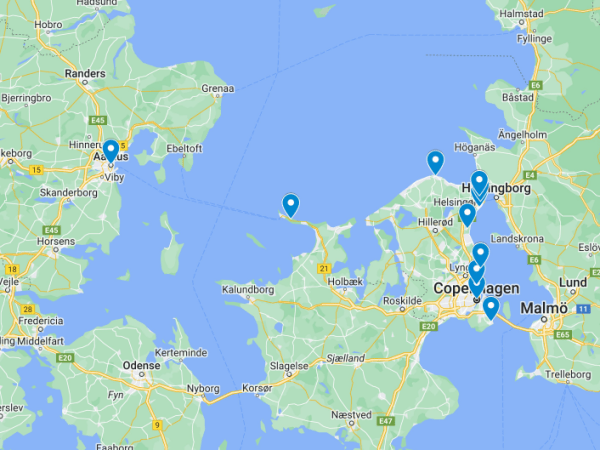
Planning this trip has been surprisingly easy, geographically speaking.
The Backstory
Pedal to the Past? What is that, anyway? Who’s doing all this pedaling and where are they going?
 Pedal to the Past
Leave a comment